
From Island Departure to Mainland Arrival: How Long-Distance Movers Connect Every Stage
Leaving Hawaii for the mainland requires more coordination than a conventional interstate move. Household goods cannot simply be loaded into a truck and driven to the new address. The relocation involves island pickup, transportation to a port, ocean transit, mainland handling, and final delivery.
For families facing a job transfer, home purchase, or major lifestyle change, understanding how these stages connect can make the process easier to manage. Professional Hawaii Moving services can help organize the physical side of the relocation while keeping the household’s departure and mainland arrival aligned.
The Move Begins Before Pickup Day
A successful relocation starts with planning rather than loading.
Movers typically need information about the household inventory, pickup address, destination, access conditions, preferred dates, and any belongings requiring special handling. These details help create a practical schedule for the shipment.
Establishing the Departure Window
The Hawaii pickup date is important because it starts the transportation sequence. Families should have their household goods ready before the crew arrives and make sure the property can be accessed by the moving vehicle.
Driveway dimensions, parking restrictions, gated entrances, stairs, and narrow roads can influence how the crew approaches the pickup.
The more accurately these details are communicated, the easier it becomes to organize the first stage.
Preparing Household Goods for a Longer Journey
Household possessions may experience several handling stages before reaching their mainland destination. Packing therefore needs to account for more than a short local trip.
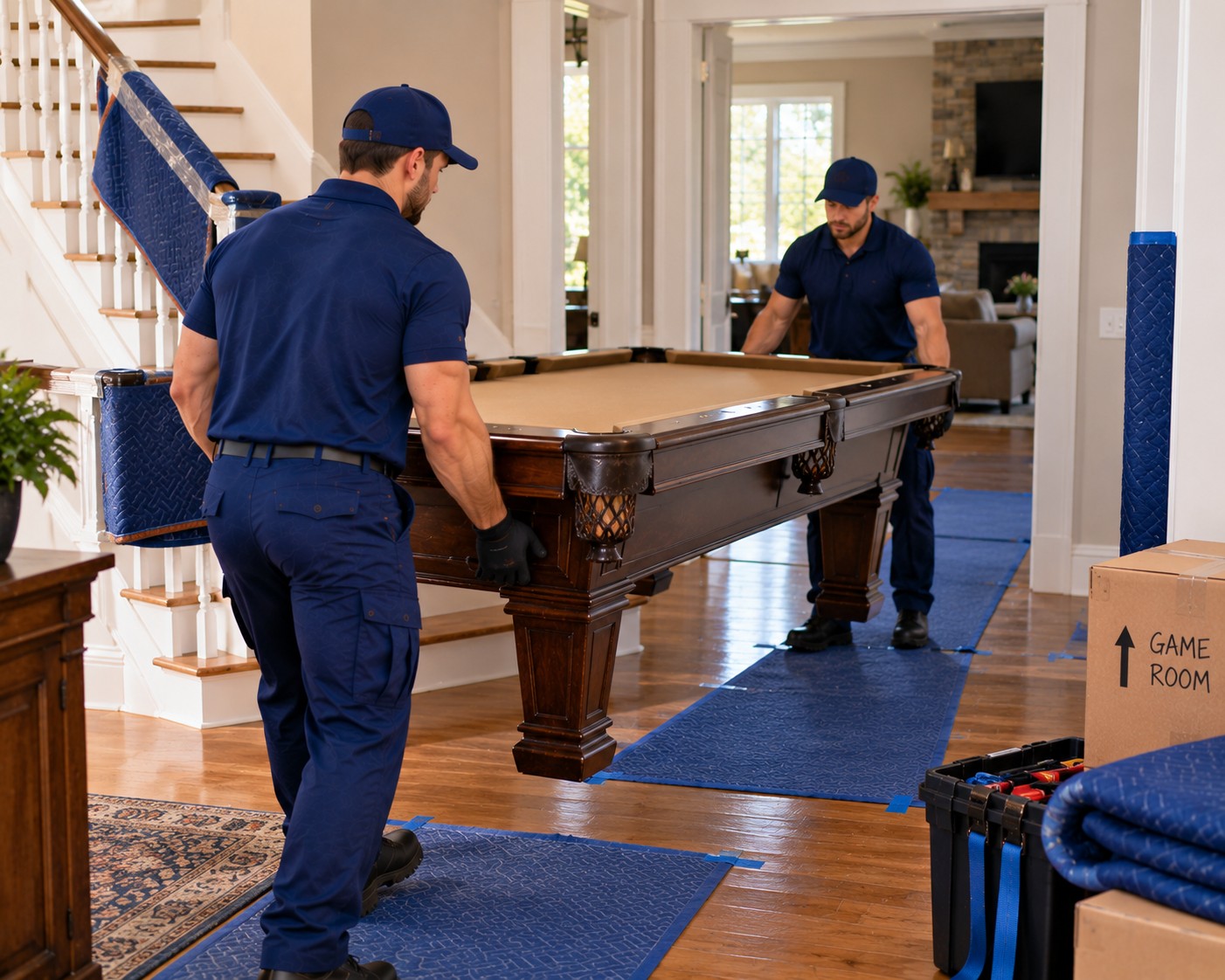
Furniture may require protective wrapping, while fragile possessions need appropriate cushioning and secure containers. Boxes should be strong enough for handling and clearly labeled so their contents can be identified during later stages.
Inventory Creates Continuity
A detailed inventory helps connect the shipment from departure through delivery. Customers can use room-based labels or another system that makes it easy to identify individual items.
This becomes particularly useful if the shipment is handled by different teams during the overall relocation process.
Moving Goods From the Island Into the Transportation Network
After pickup, household goods must progress toward the appropriate transportation point. This is where the island portion of the relocation connects with the mainland journey.
Timing needs to account for more than the drive from the residence. The shipment has to be prepared for its next transportation stage, and scheduling needs to allow sufficient time for that transition.
Avoid Planning Around a Single Clock Time
Customers should think in terms of windows rather than assuming that a mainland delivery can be tied directly to the Hawaii pickup date.
Ocean transportation introduces additional scheduling considerations, so families should maintain realistic expectations about the overall timeline.
Coordinating the Mainland Side
The mainland arrival is effectively another moving operation.
Once household goods reach the mainland, they need to continue toward the final residence. The destination city, local access conditions, parking availability, and property requirements can all affect the final delivery.
For people Moving in or from Hawaii, it is useful to consider the mainland portion of the relocation while still planning the island departure.
Prepare the Destination Before Delivery
If the new home is an apartment, condominium, gated property, or house with restricted access, customers should confirm the relevant requirements in advance.
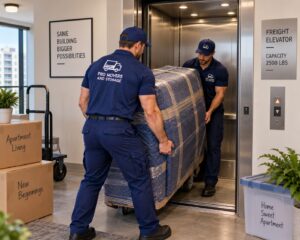
Elevator reservations, loading zones, parking instructions, building rules, and narrow entrances can all affect unloading.
Keeping Personal Plans Aligned
Families may arrive on the mainland before their household goods. This is especially common when employment or housing arrangements require people to travel ahead of the shipment.
A temporary living plan can make this transition easier.
Keep Essential Items Separate
Important documents, medications, several changes of clothing, electronics, children’s necessities, and other immediate-use belongings should remain accessible rather than being buried inside the primary household shipment.
This gives the family flexibility while waiting for delivery.
Communication Bridges the Two Locations
A Hawaii-to-mainland relocation involves two properties separated by an ocean, so communication becomes one of the most valuable planning tools.
Changes to the departure address, travel schedule, destination availability, or access instructions should be communicated promptly. Even a small change can affect how the final delivery is organized.
Professional movers can use updated information to adjust the practical sequence rather than allowing an outdated plan to dictate the entire relocation.
Making the Arrival Feel Like the Next Step, Not a New Move
The best long-distance relocation plans treat Hawaii departure and mainland arrival as connected stages.
A carefully prepared inventory supports the transportation process. Appropriate packing protects household goods through multiple handling points. Accurate pickup information helps the crew begin efficiently, while advance preparation at the destination makes final unloading more straightforward.
For families planning Hawaii Moving, this connected approach can turn a complicated island-to-mainland transition into a sequence of manageable steps. Instead of thinking about the relocation as two separate ends of a journey, customers can plan the departure and arrival together, with each stage supporting the next.






Post Comment