From Patio to Place: A Smarter Way to Move Outdoor Belongings
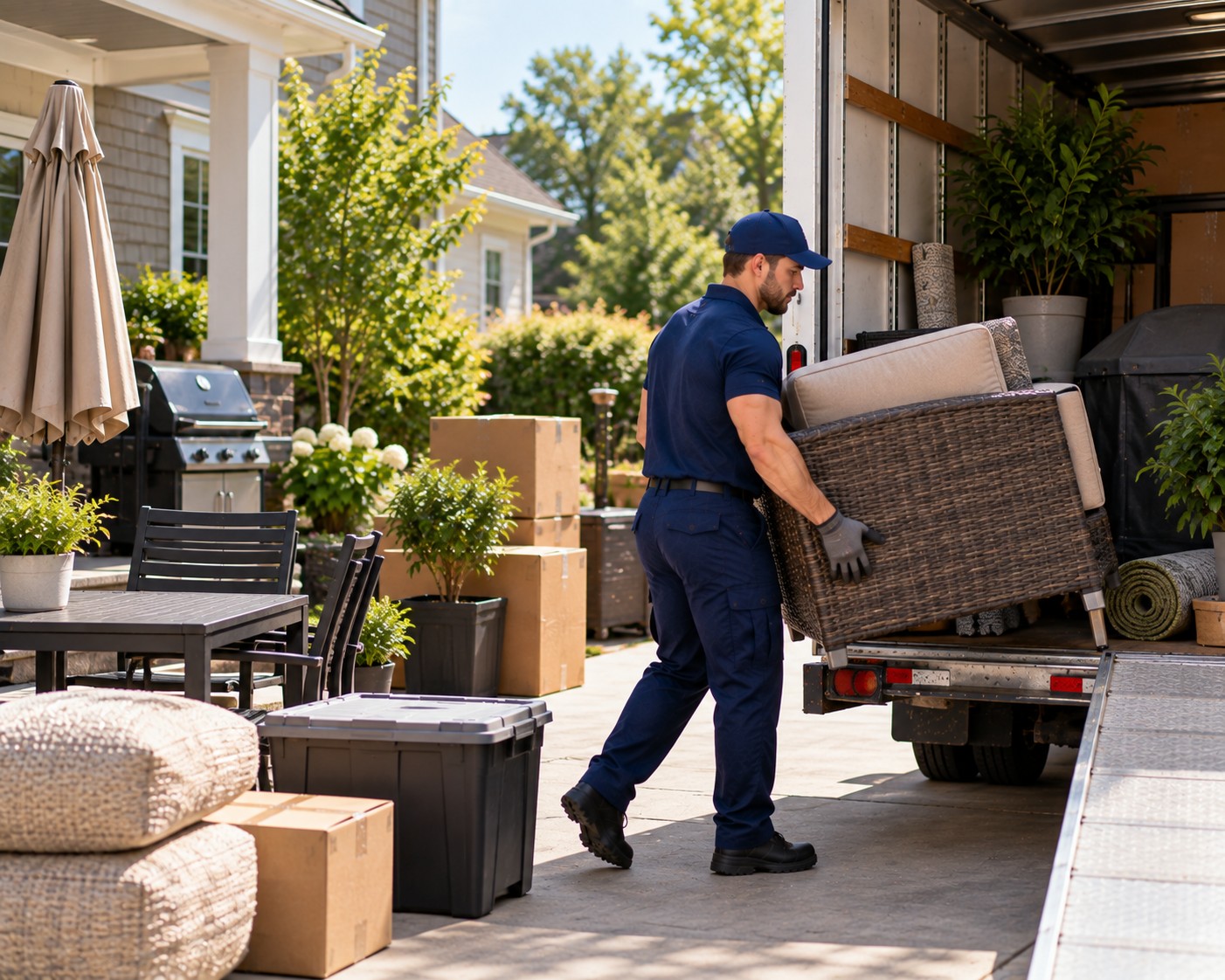
A residential moving project does not end at the front door. Patios, balconies, gardens, and backyards can contain some of the largest and most awkward belongings on the property, from sectional sofas and grills to heavy planters and outdoor storage cabinets. Leaving these items until the final hours can make moving day unnecessarily complicated.
For homeowners preparing a Las Vegas relocation, planning the outdoor portion alongside the rest of the household can make a noticeable difference. Before getting started, https://nevadamoverslv.com/ can provide useful information about professional moving assistance and ways to approach a more organized relocation.
Take Stock of Everything Outside
Begin with a slow walk around the property. Instead of focusing only on furniture, look at every corner of the yard and patio.
Make a simple inventory of:
- Patio tables and chairs
- Outdoor sofas and loungers
- Grills and smokers
- Umbrellas and shade equipment
- Planters and garden decorations
- Bicycles and recreational gear
- Lawn and garden tools
- Outdoor storage units
- Children’s play equipment
This process can reveal items that have been forgotten behind sheds, under covers, or along fences.
Decide What Is Worth Taking
Moving is an excellent opportunity to eliminate outdoor possessions that are broken, unused, or inexpensive to replace. Consider the condition and size of each item before spending time preparing it for transportation.
Large, worn furniture may take up considerable truck space without providing much value at the new property.
Clean and Dry Outdoor Belongings
Patio items naturally collect dust, pollen, dirt, and moisture. Cleaning them before loading keeps that debris away from boxes and indoor furniture.
Wipe down tables and chairs, remove soil from garden tools, and clean grease from grills. Fabric cushions and outdoor rugs should be thoroughly dried before wrapping.
Moisture trapped beneath plastic or protective materials can cause unpleasant odors and potentially damage certain surfaces during transportation.
Disassemble What You Can
Large outdoor furniture is often much easier to move after partial disassembly. Remove table legs, detachable shelves, umbrella bases, and other components when the design permits.
Keep screws, bolts, washers, and other small pieces together in labeled bags. A photograph taken before disassembly can also provide a helpful reference when reassembling furniture at the new home.
For especially large structures, determine in advance whether they can actually pass through gates, doors, and narrow side passages.
Protect Furniture From Scratches and Dents
Outdoor furniture is built for exposure to weather, but transportation creates different risks. Metal can scratch, wood can chip, and painted surfaces can become scuffed when pieces rub against each other.
Wrap vulnerable surfaces and pay particular attention to corners. Glass tabletops should receive individual protection and should never be treated like ordinary flat furniture.
Do not place heavy cartons on cushions, umbrellas, or other soft outdoor belongings simply to save space.
Give Planters Special Attention
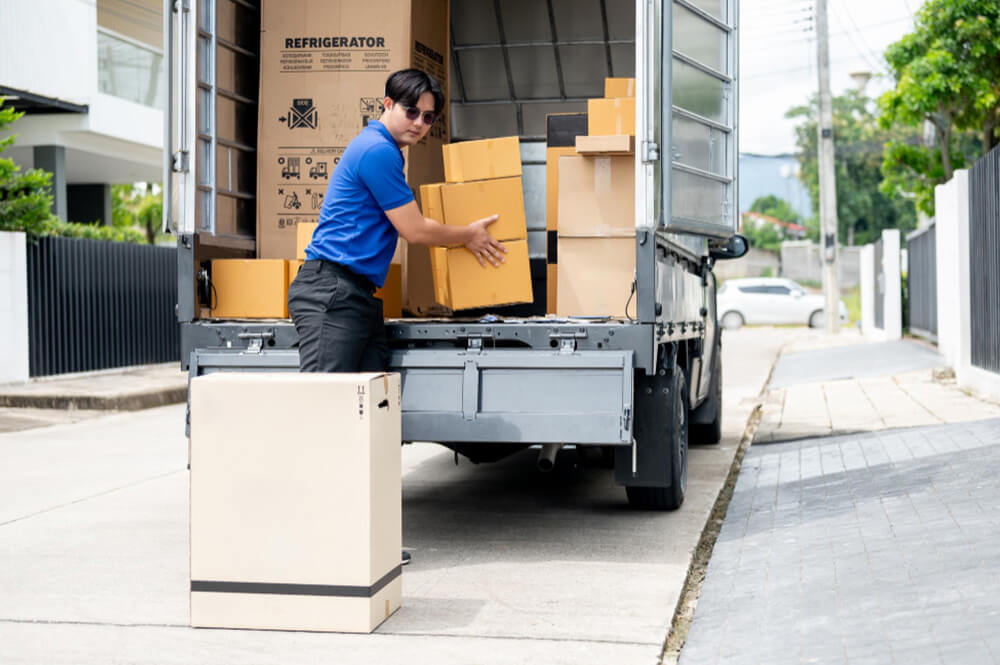
Garden pots can become extremely heavy when filled with soil. If practical, empty large planters before transportation and move the containers separately from their contents.
Fragile ceramic or terracotta pots should be wrapped individually. Use sturdy boxes for smaller pieces and cushion them so they cannot knock against one another.
If plants are coming along, think about their transportation needs separately from ordinary household goods. Their size, fragility, and exposure to heat can affect how they should be handled.
Prepare Grills, Tools, and Equipment
Outdoor cooking equipment should be completely cool and cleaned before being prepared for transport. Remove detachable components where appropriate and secure loose parts so they cannot move around.
Garden tools should be grouped together and protected against accidental contact with other belongings. Sharp edges and points should be covered.
Bicycles, sports equipment, and children’s outdoor items can also be bundled or secured to prevent them from shifting during transportation.
Check Access at Both Properties
An outdoor item may fit comfortably in the old backyard but become difficult to position at the new one. Measure narrow gates, stairways, side yards, and doors before moving oversized belongings.
This is especially important for sectional furniture, large grills, storage cabinets, and bulky play equipment.
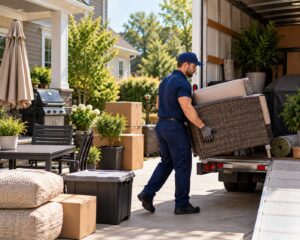
Professional residential moving assistance can be valuable when outdoor items require awkward lifting or careful navigation through restricted spaces. A planned route reduces unnecessary carrying and repeated handling.
Build Outdoor Items Into the Moving Schedule
Do not treat the backyard as an afterthought. Decide which belongings should be loaded first, which need additional protection, and which should remain accessible until the final stage.
For homeowners arranging residential moving support, https://nevadamoverslv.com/services/residential-moving/ can be reviewed when planning assistance for larger household relocations.
Once the truck arrives, identify where the major patio and backyard pieces should go. Getting bulky items into position early can make the rest of the unloading process easier and prevent the new home from becoming crowded with outdoor furniture.
A well-prepared patio can arrive at the new property ready to use rather than becoming another unfinished task after moving day. With smart sorting, cleaning, disassembly, protection, and access planning, even bulky backyard belongings can be incorporated into the move without unnecessary disruption.




Post Comment