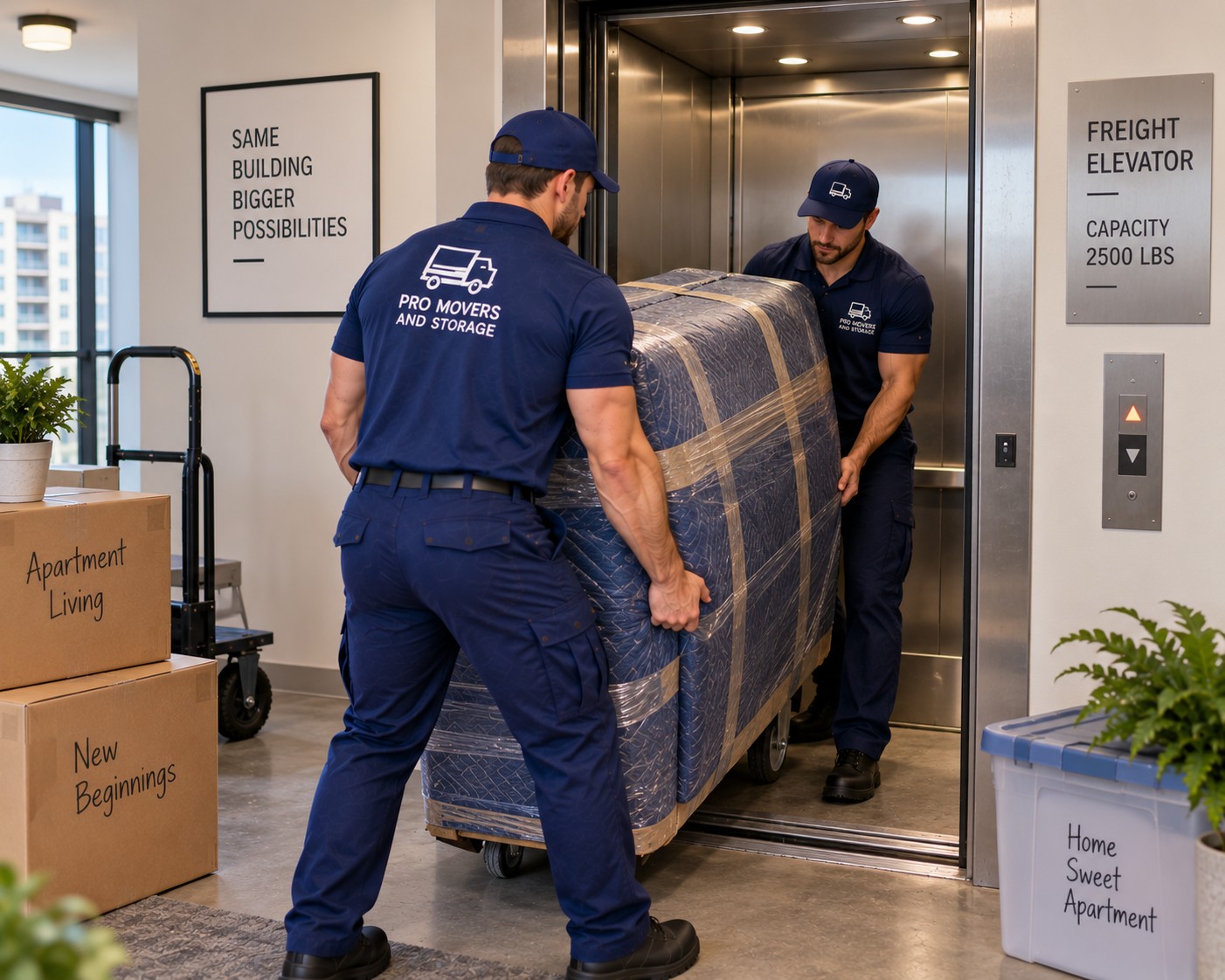
Small Elevator, Big Move: Making an Apartment Relocation Work
Moving into an apartment with a compact freight elevator calls for more than simply reserving a moving date. Large furniture may not fit comfortably, elevator access can be limited, and building managers often have strict rules about how residents and movers use shared spaces. A little preparation can make the difference between a smooth arrival and a long afternoon of unexpected obstacles.
The first step is to treat the elevator as part of the moving route rather than an afterthought. An Apartment Moving Service can help coordinate furniture handling, loading, transportation, and placement while you focus on the building’s requirements.
Find Out Exactly How the Elevator Works
Before moving day, contact property management and ask about the freight elevator. Find out its interior dimensions, door width, weight capacity, operating hours, and reservation process.
Do not assume that because an elevator is labeled “freight,” it can accommodate every household item. A large sectional, tall wardrobe, or oversized mattress may still present a problem.
Measure Your Largest Furniture
Create a short list of the biggest objects you plan to move. Measure their height, width, depth, and, when relevant, diagonal dimensions.
Compare those measurements with the elevator entrance and interior. Also check the apartment doorway and any tight hallway turns between the elevator and your new home.
This early check can reveal which pieces need disassembly and which may require a different route.
Reserve Access Before Moving Day
Small freight elevators are often shared by residents, deliveries, maintenance workers, and other moving crews. A reservation may be required to guarantee exclusive use during your move.
Ask management how much time can be booked and whether there are rules regarding protective padding, floor coverings, or door operation.
If the building requires certificates of insurance or other documentation from movers, arrange those details ahead of time rather than waiting until the truck arrives.
For additional information about relocation assistance, https://promoversandstorage.com/ can be reviewed while you organize the logistics of your apartment move.
Plan Furniture for Vertical Transport
Disassemble What Makes Sense
Some large furniture pieces become significantly easier to handle after removing legs, doors, shelves, or other detachable components.
Keep screws and hardware in labeled bags and attach them to the appropriate furniture whenever possible. Take photos before disassembly so that complicated pieces are easier to reconstruct later.
However, not every item should be dismantled without professional guidance. Certain furniture and appliances may be difficult to reassemble correctly or could be damaged by improper handling.
Protect Corners and Finishes
Compact elevators leave little room around furniture. Padding can help protect cabinets, tables, sofas, and other pieces from contact with metal walls or door frames.
The elevator itself may also need protection. Follow the building’s requirements and allow the moving crew to install suitable protective materials before loading begins.
Create a Backup Route
A freight elevator should be your primary plan only if it can accommodate the necessary items. Consider what happens if the elevator is unavailable, overloaded, or temporarily taken out of service.
Stairs may work for smaller boxes, but they are rarely an efficient solution for heavy furniture. Some buildings have a second service entrance or another elevator that can provide an alternative.
Consider Timing Carefully
Avoid arriving during the busiest building hours if management permits flexible scheduling. A quieter period can make loading and unloading less disruptive and give movers more room to maneuver.
An Apartment Moving Service with experience in apartment relocations can also help identify practical handling strategies when access is restricted.
Prepare the Apartment Before the Truck Arrives
Clear pathways inside the new apartment. Remove boxes, decorations, rugs, and other obstacles from areas where large furniture will be placed.
Decide where beds, sofas, desks, and wardrobes should go before the move begins. This prevents movers from repeatedly repositioning heavy pieces after they have already been carried through the building.
Keep Smaller Items Separate
A compact freight elevator can still handle household boxes efficiently if they are packed thoughtfully. Use manageable box sizes and avoid making containers unnecessarily heavy.
Label boxes by room and keep essential belongings separate. Chargers, toiletries, basic kitchen items, important documents, and a change of clothes should be easy to reach after arrival.
This organization also allows movers to focus on large furniture without constantly searching through smaller containers.
Turn Limited Elevator Space Into a Planned Advantage
A small freight elevator does not have to complicate an apartment move. Accurate measurements, advance reservations, sensible furniture preparation, and a clear access plan can eliminate many common delays.
When the route is evaluated before moving day, even bulky household belongings can be handled systematically. With the right Apartment Moving Service and cooperation from building management, a tight elevator becomes simply another logistical detail to account for—not the biggest obstacle of the relocation.












Post Comment